

















Is the Cost of a Bearing Failure Really Just the Cost of a New Bearing?
Is the Cost of a Bearing Failure Really Just the Cost of a New Bearing?
The cost of a bearing failure is often significantly higher than the cost of a replacement bearing. The largest expenses are usually not related to the bearing itself, but to unplanned downtime, energy losses, maintenance activities, logistics, spare parts inventory and additional CO₂ emissions.
Many companies still view bearing failure as a maintenance event: the bearing fails, it is replaced, and production resumes. However, the real cost often extends far beyond the replacement component itself. Hidden costs throughout the asset lifecycle can exceed the price of the bearing many times over.
What Makes Up the True Cost of a Bearing Failure?
When only the replacement cost is considered, the following expenses are often overlooked:
- Unplanned production downtime
- Increased energy consumption
- Transportation and logistics costs
- Maintenance labor costs
- Spare parts inventory expenses
- Additional CO₂ emissions
- Production losses caused by stoppages
- Employee labor costs
In many manufacturing facilities, bearing failure is viewed as a maintenance issue. However, the visible failure is often only a symptom, while the largest costs arise from the consequences across the entire production process.
Hidden Costs Often Exceed the Cost of the Bearing Itself
Unexpected equipment stoppages can affect not only production output but also the entire supply chain.
The longer equipment remains out of operation, the greater the indirect losses become.
As a result, more and more manufacturers are moving from reactive maintenance to predictive maintenance strategies. The goal is not only to replace failed components but also to prevent failures from occurring in the first place.
How Does the NSK AIP Methodology Help Identify Hidden Costs?
The NSK AIP (Added Value Programme) methodology enables companies to evaluate:
- Operating conditions of bearings
- Root causes of failures
- Hidden operating costs
- Energy efficiency
- Opportunities to reduce total operating expenses
- Equipment reliability improvement opportunities
AIP analysis supports data-driven decisions rather than decisions based solely on purchase price.
Why Are Companies Moving Toward Predictive Maintenance?
Modern industry increasingly focuses on the total lifecycle performance of equipment.
Reliability
Fewer failures mean fewer unplanned stoppages and more stable production.
Energy Efficiency
Properly selected and maintained bearings can reduce energy consumption.
Maintenance Optimization
Longer service intervals reduce maintenance workload and operating costs.
Sustainability
Lower CO₂ emissions and reduced waste contribute to more sustainable operations.
DAGMITA – Certified NSK AIP Partner in the Baltic States
This means our specialists have access to:
- NSK AIP methodologies
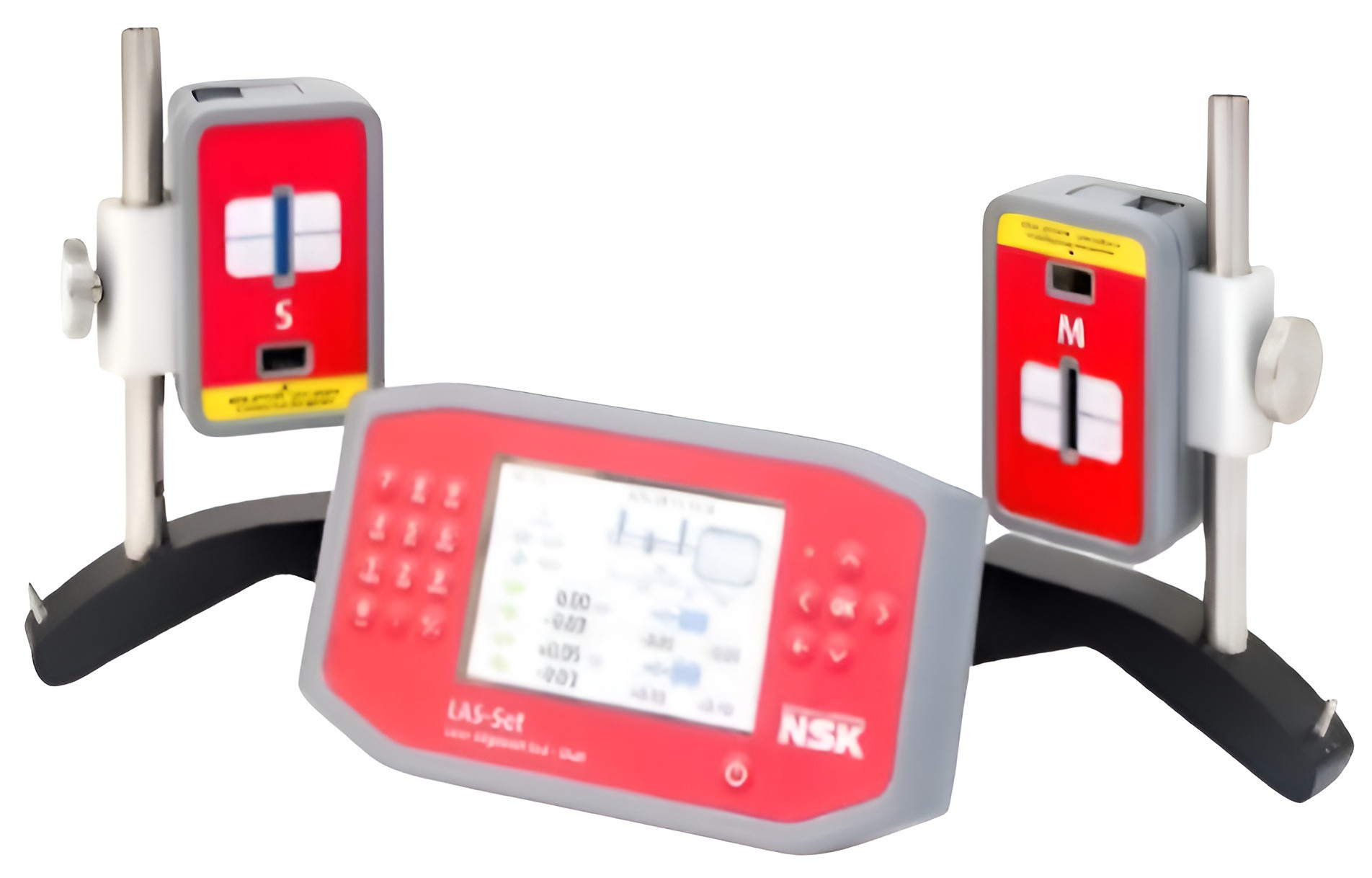
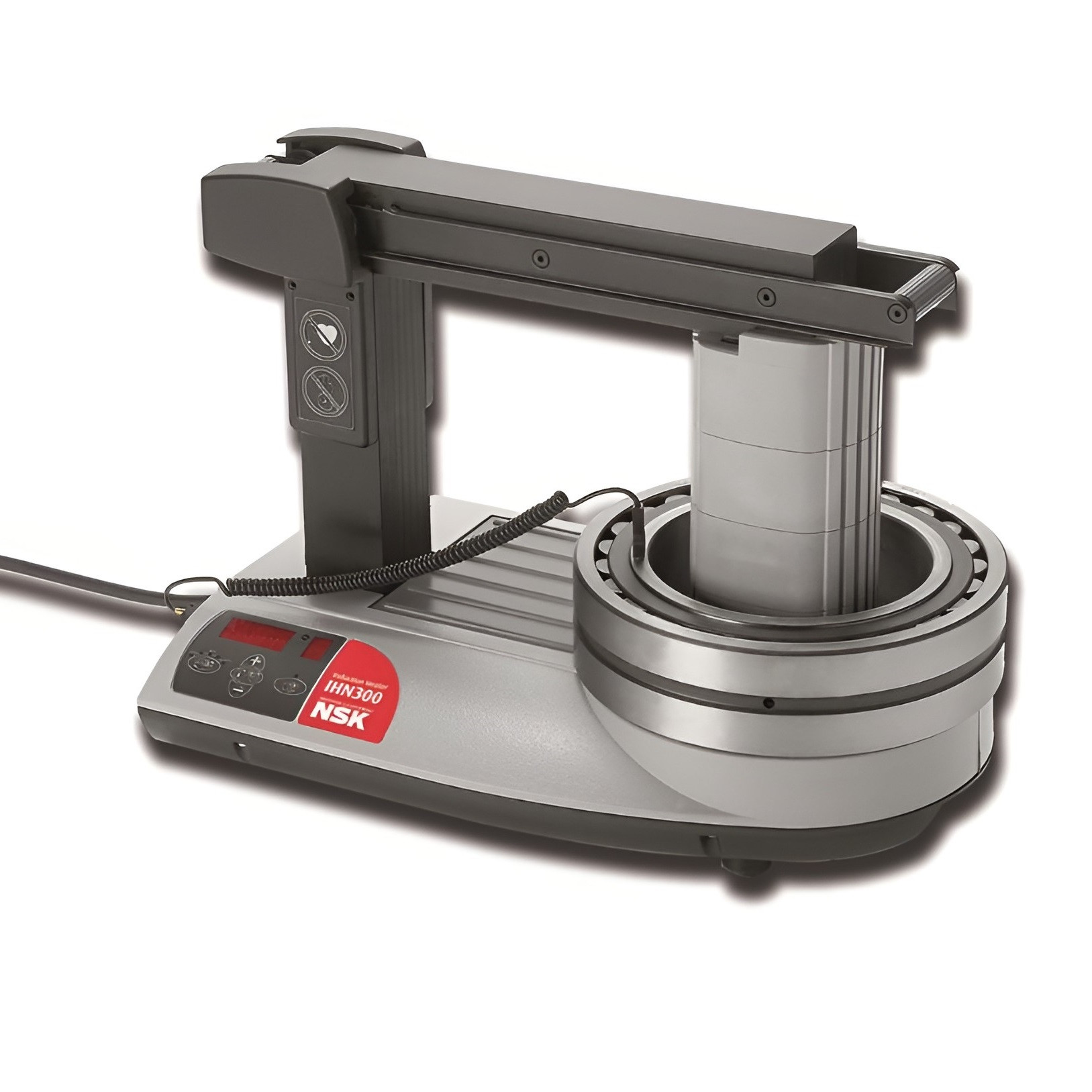
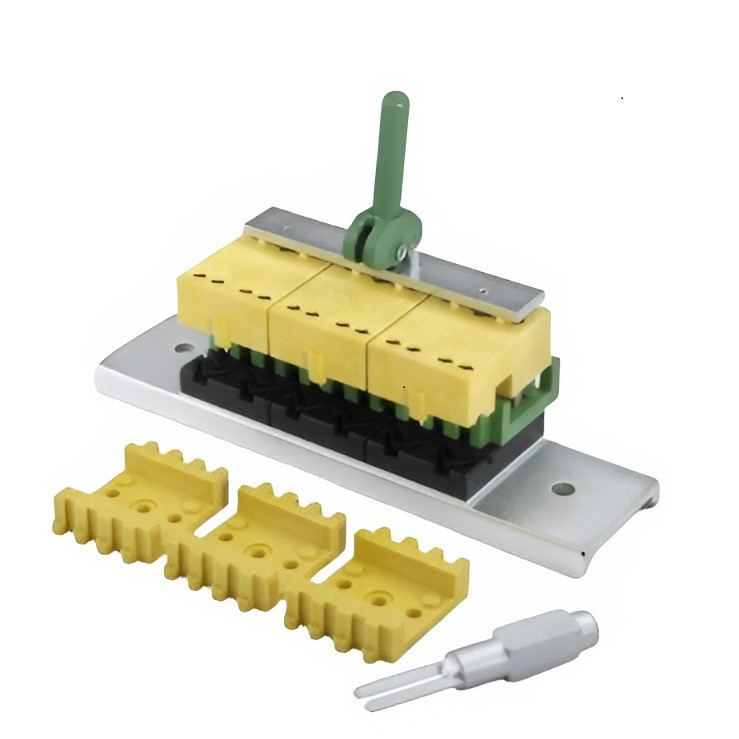
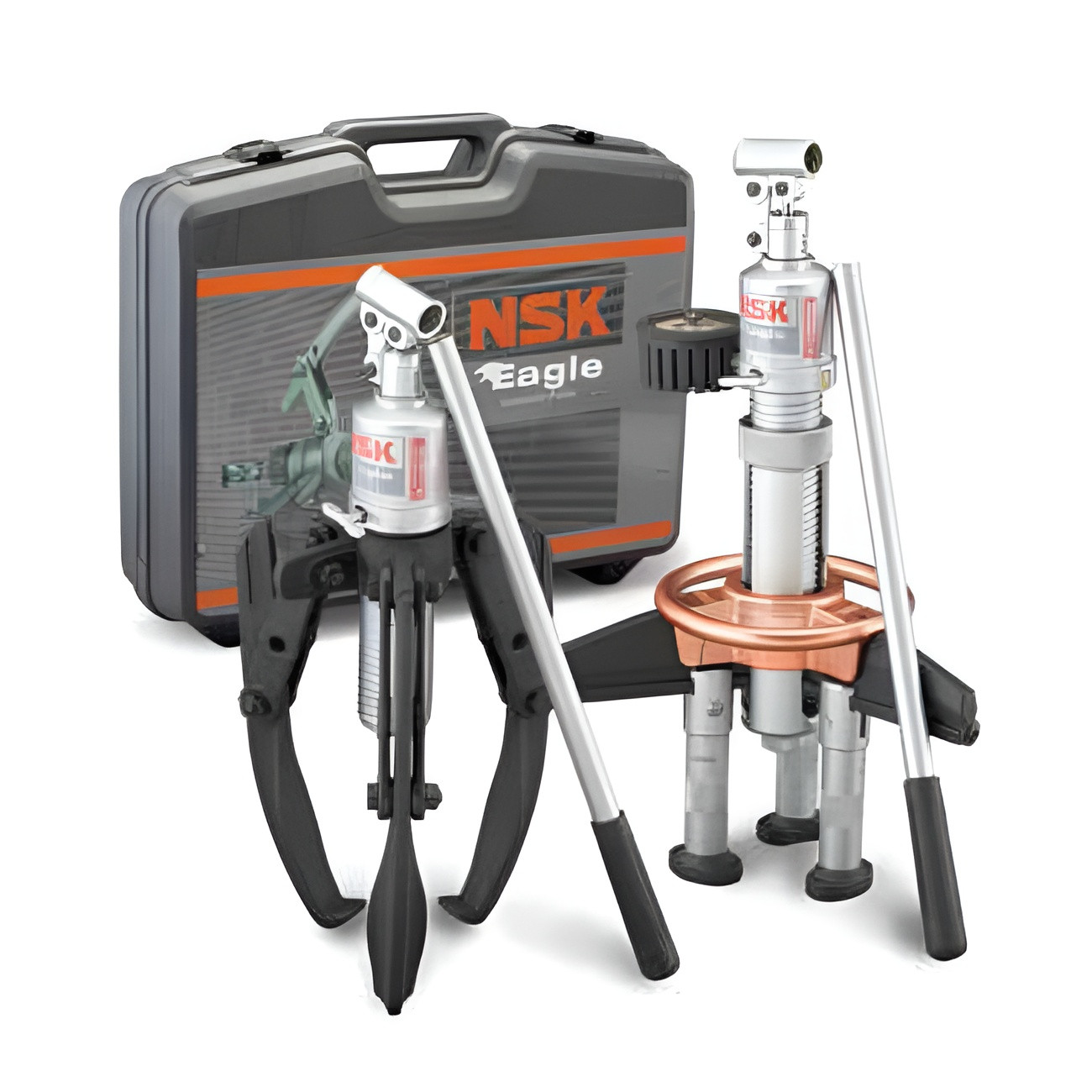
- Technical audit tools
- Failure analysis methodologies
- Energy efficiency assessment solutions
- Equipment optimization recommendations
These capabilities help identify root causes, uncover hidden costs and reduce total operating expenses.
Frequently Asked Questions
What represents the largest portion of bearing failure costs?
In most cases, unplanned downtime, energy losses and operational disruptions have a much greater financial impact than the bearing itself.
How can the total lifecycle cost of a bearing be calculated?
It is important to consider not only the purchase price, but also energy consumption, maintenance costs, downtime, inventory costs and CO₂ emissions.
What is NSK AIP?
NSK AIP (Added Value Programme) is a methodology designed to identify hidden operating costs, improve equipment reliability and optimize total operating expenses.
How does AIP analysis benefit manufacturing companies?
It helps reduce downtime, optimize maintenance, lower energy consumption and improve overall equipment performance.
Who performs NSK AIP analyses in the Baltic States?
DAGMITA is a Certified NSK AIP Partner in the Baltic States and provides advanced technical analyses and optimization recommendations.