



NSK Cryogenic Pump Bearings: A Dagmita AIP Success Story
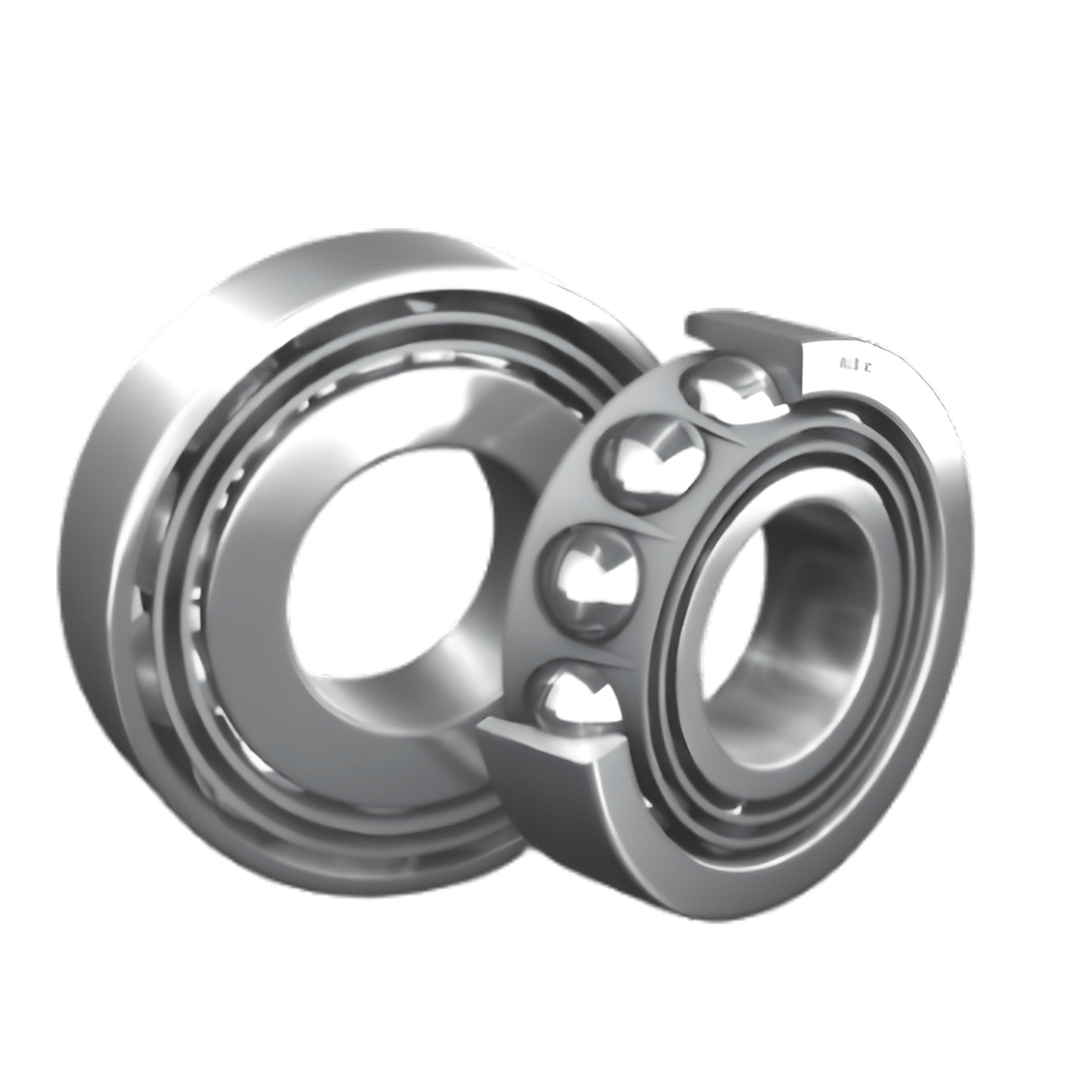
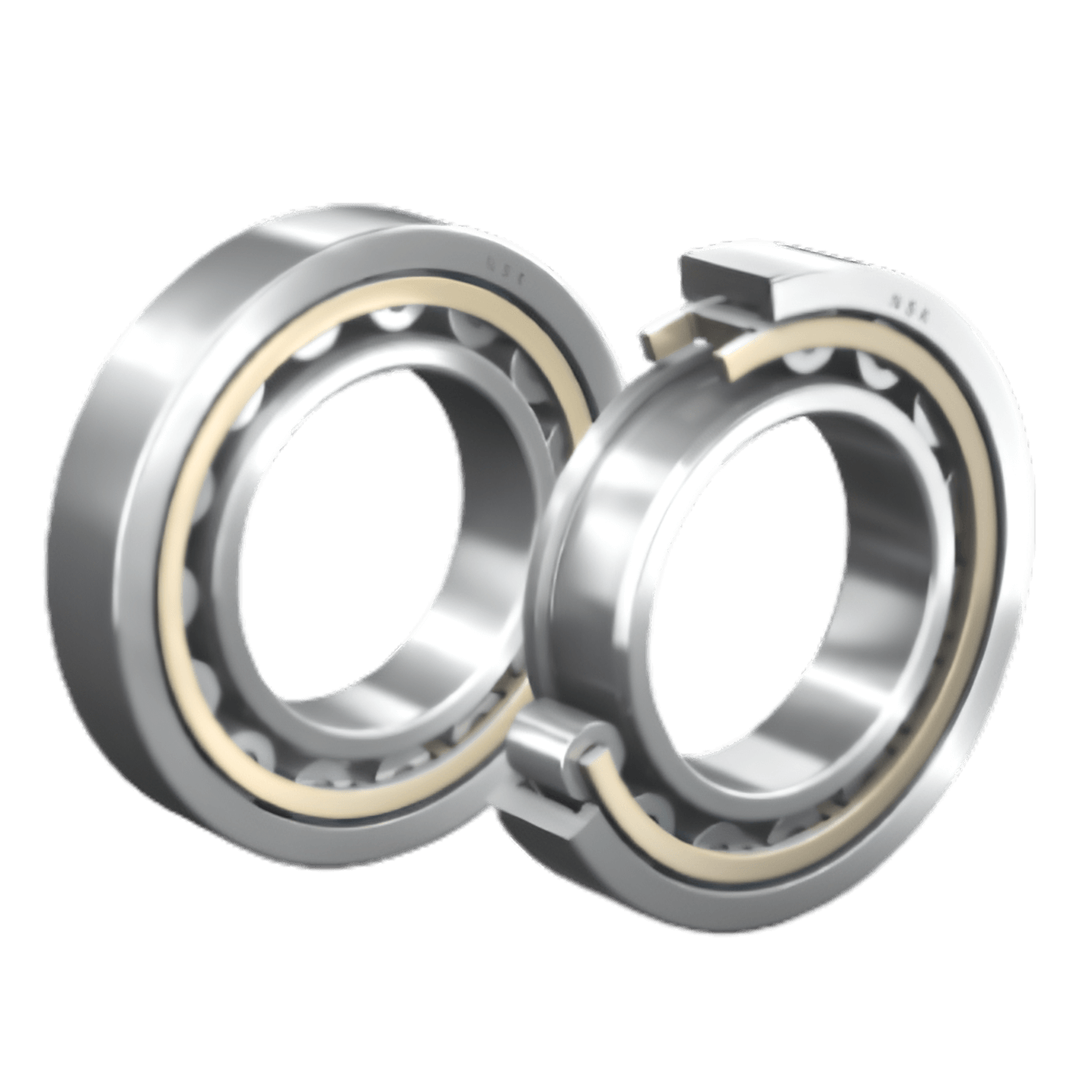
Cryogenic Pump Bearings: A Special Dagmita and NSK AIP Solution
Incorrect bearing selection resulted in cryogenic pump failure after just two days. The company experienced further unplanned equipment downtime, additional repair and labour costs, and losses caused by interrupted production.
This real case demonstrates why matching bearing dimensions alone are not enough. In cryogenic systems, the bearing must be selected according to the pump’s actual operating conditions.
Why Was the Standard Bearing Unsuitable for the Cryogenic Pump?
Cryogenic pump bearings operate under extremely demanding conditions. Depending on the system and bearing design, operating temperatures can approach –200 °C.
When selecting a bearing, it is essential to consider:
• operating temperature and suitability for the cryogenic medium;
• lubrication requirements, as conventional greases may be unsuitable or impossible to use;
• material resistance to corrosion, wear and deterioration;
• pump speed, loads and the actual operating profile.
The previously installed bearing had the correct dimensions but was not suitable for the equipment’s actual operating conditions. As a result, the cryogenic pump failed again after just two days.
How Did Dagmita and NSK Specialists Solve the Problem?
The Lithuanian company contacted Dagmita – a certified NSK AIP Partner.
The solution process consisted of four stages:
A detailed AIP review of the pump’s actual operating conditions.
Collaboration with NSK application engineering specialists.
Selection of a bearing specifically suited to cryogenic operating conditions.
Supply of a special-order NSK bearing adapted to the specific equipment.
This was not simply another replacement bearing. The bearing was selected according to the specific pump’s temperature, lubrication, material, speed and load requirements.
What Makes NSK Cryogenic Bearings Different?
NSK cryogenic bearing solutions can be adapted for operation at temperatures down to approximately –200 °C, depending on the bearing design, operating medium and application conditions.
The main technical features include:
• self-lubricating cage technology, suitable where conventional lubrication is limited, ineffective or impractical;
• specially selected materials providing greater resistance to corrosion, wear and deterioration;
• bearing design adapted to the cryogenic medium, speed and load requirements;
• increased reliability in critical industrial systems.
What Was the Result of the Technical Solution?
By selecting and adapting a special NSK cryogenic bearing, the cause of the recurring failure was eliminated.
The company avoided:
• repeated and disruptive equipment downtime;
• recurring repair work;
• ongoing purchasing and replacement costs for additional bearings;
• additional labour costs and losses caused by interrupted production.
This case confirms that, under demanding operating conditions, it is important to select the technically correct, application-specific solution rather than simply the least expensive bearing.
Where Can You Obtain Cryogenic and Special-Purpose Bearings?
If your equipment operates at extremely low temperatures, in aggressive media, under limited lubrication, high loads or other demanding conditions, contact Dagmita’s technical specialists.
We will analyse the actual operating conditions, consult with the manufacturer’s application engineering specialists and select a solution adapted to your equipment.
☎️ +370 37 363487
✉️ [email protected]
Frequently Asked Questions About Cryogenic Pump Bearings
Why Can a Conventional Bearing Fail Quickly in a Cryogenic Pump?
A conventional bearing may not be suitable for extremely low temperatures, cryogenic media and limited lubrication. Even when its dimensions are correct, its materials, cage and design may not meet the pump’s actual operating requirements.
Is Selecting a Bearing of the Same Size Sufficient for a Cryogenic Pump?
No. The bearing must be selected according to the operating temperature, medium, lubrication requirements, material resistance, rotational speed and loads. Matching dimensions alone do not guarantee reliable operation.
At What Temperatures Can NSK Cryogenic Bearings Operate?
Depending on the bearing design, operating medium and application conditions, special NSK cryogenic bearings can be adapted for operation at temperatures down to approximately –200 °C.
What Is Special About a Self-Lubricating Bearing Cage?
A self-lubricating cage helps reduce friction and deterioration where external lubrication is limited, ineffective, impractical or cannot be used.
How Does Dagmita Select Bearings for Demanding Operating Conditions?
As a certified NSK AIP Partner, Dagmita analyses the equipment’s actual operating conditions, works together with NSK application engineering specialists and selects a bearing adapted to the specific application.
What Benefits Does a Correctly Selected Cryogenic Bearing Provide?
A correctly selected cryogenic bearing helps reduce the risk of unplanned downtime, recurring repairs, additional labour costs and repeated bearing replacement.