Cyanoacrylate adhesive for rubber (instant / super glue)
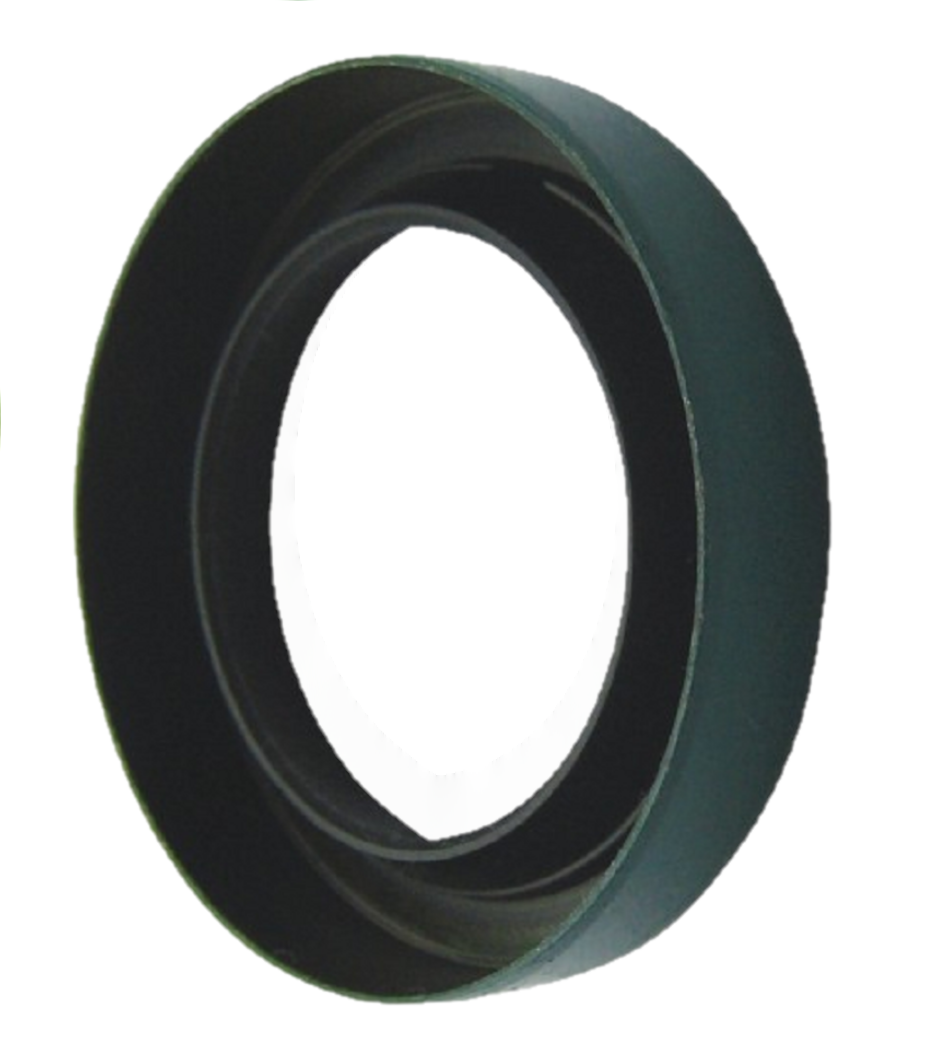
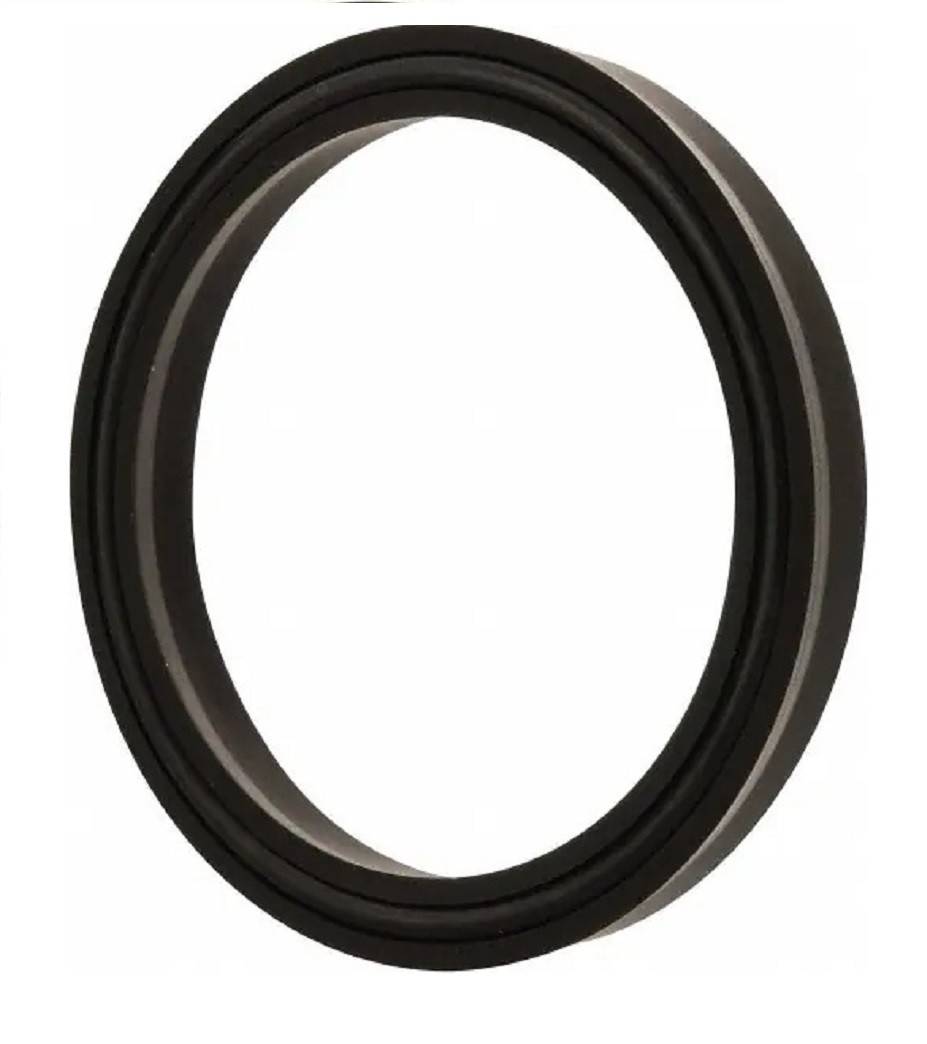
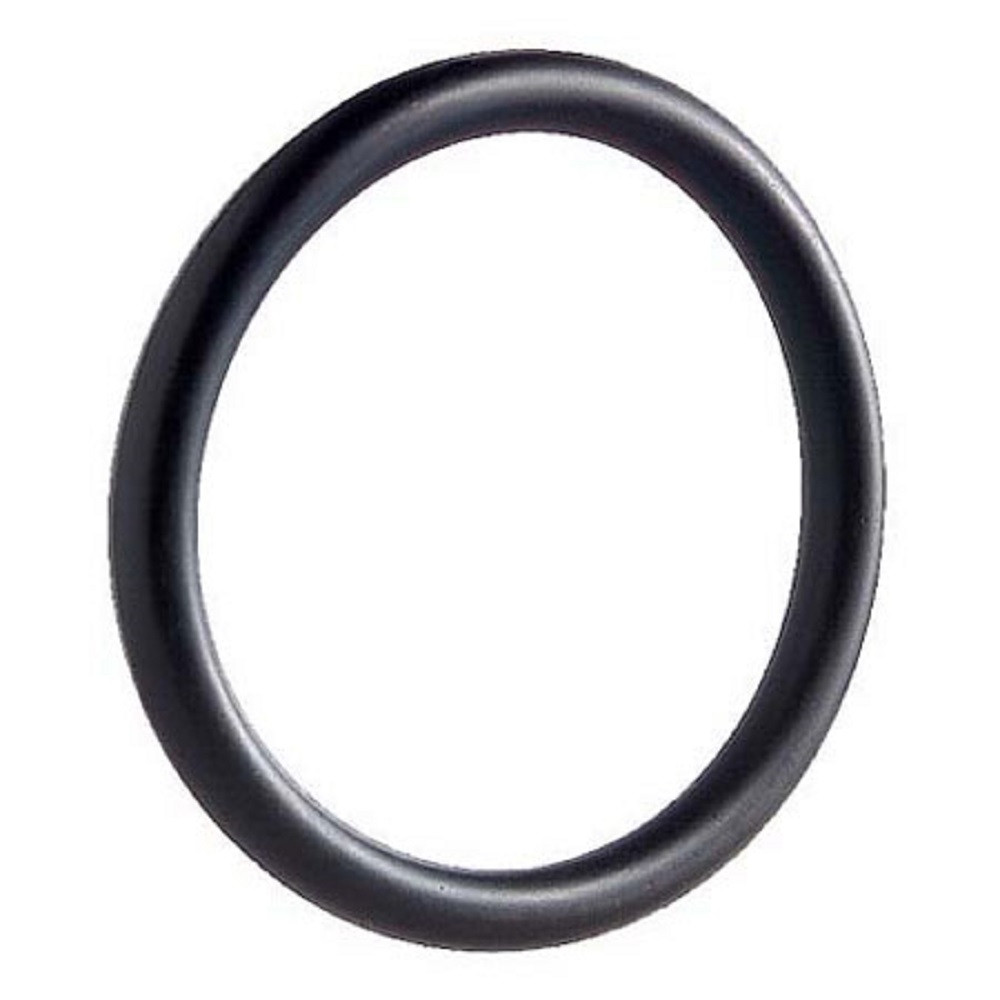
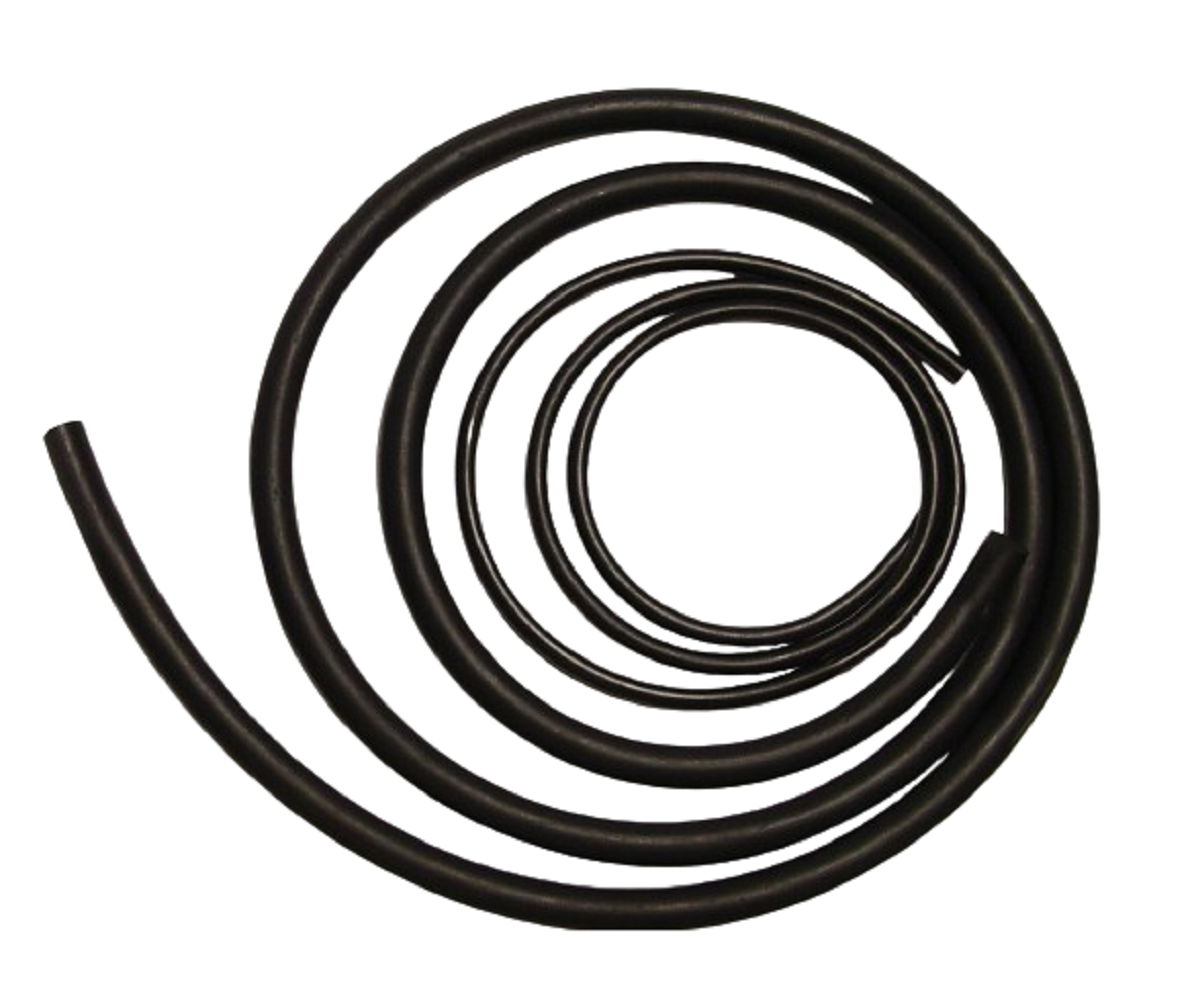
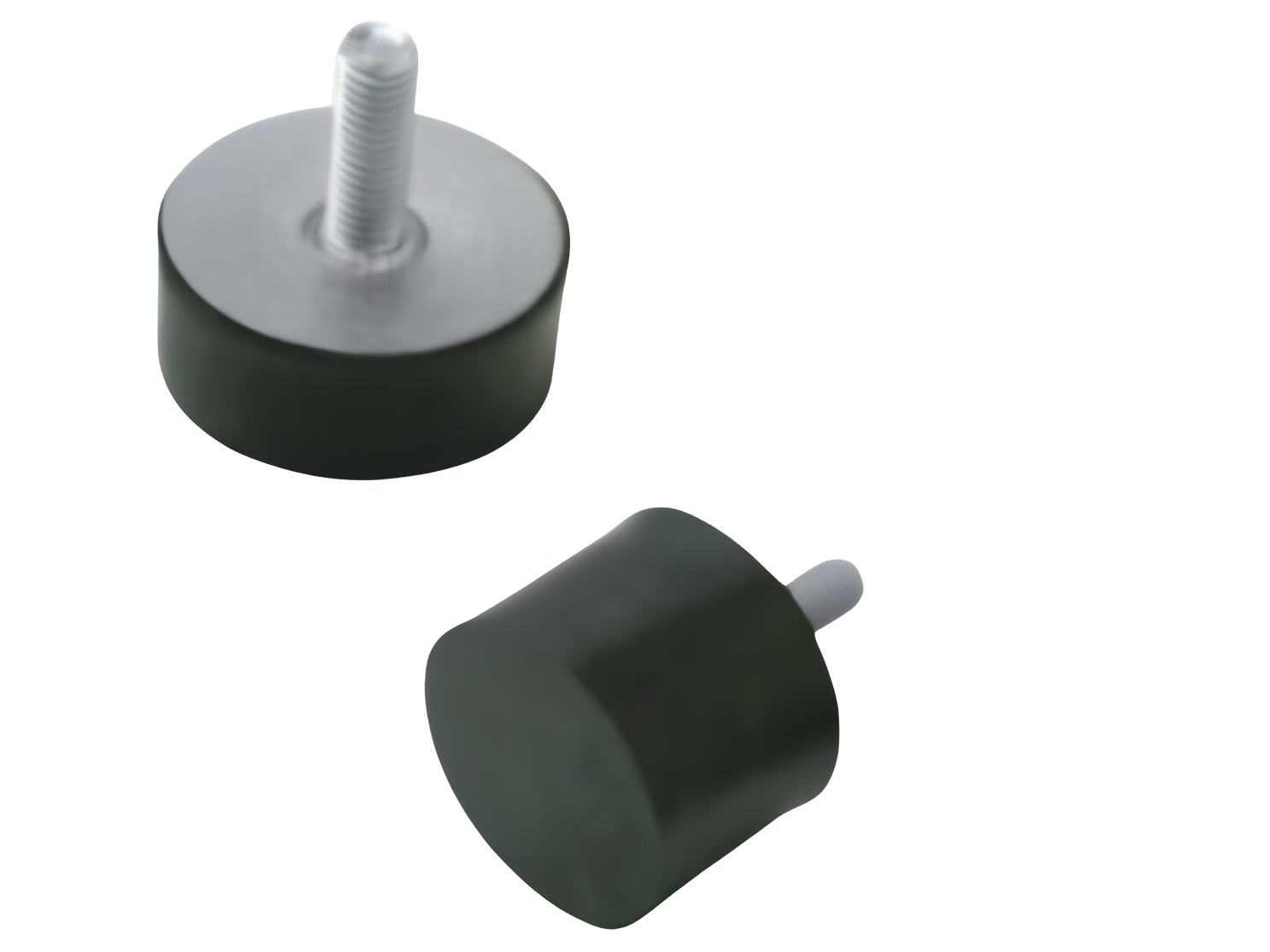
Cyanoacrylate adhesives (CA, cyanoacrylates), low-viscosity and high-purity, are designed for bonding difficult materials such as rubber and plastics. Especially suitable for natural rubber, EPDM and butyl rubber, as well as many plastics and metals where parts fit closely (e.g. gaskets, sealing profiles, O-rings, small repair components).
Also commonly known as instant adhesive or super glue, they are widely used for fast repairs and industrial bonding applications.
These adhesives are one-component, 100% reactive and solvent-free: no mixing or heating is required. CA glue polymerizes extremely quickly when compressed into a thin film between surfaces – curing is initiated by moisture on the surfaces, so initial bond strength is typically achieved within seconds (depending on materials).
Usage:
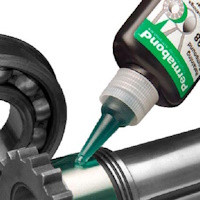
Surfaces must be clean, dry and degreased (e.g. acetone or isopropanol). Apply a thin layer of adhesive to one surface only, join parts immediately and press firmly to spread the adhesive into a thin film. Do not move until sufficient initial strength is achieved.
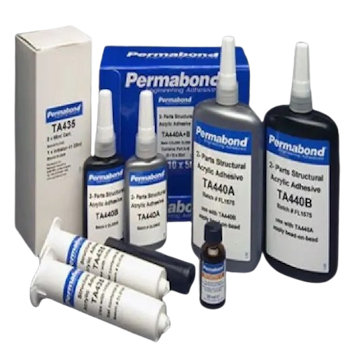
Excess adhesive can be removed using CA solvent, nitromethane or acetone (if compatible with the surface). For porous or difficult surfaces, use an activator. When bonding PP, PE, PTFE or silicone, use Permabond POP primer.
Additional information about cyanoacrylate adhesives:
When standard adhesives fail to provide reliable bonding, cyanoacrylate adhesives (CA, instant adhesive, super glue) ensure extremely fast and strong bonding.
These adhesives are widely used in industry and maintenance where speed, precision and reliability are critical:
- rubber (EPDM, NBR, natural rubber)
- plastics (ABS, PVC, etc.)
- metals
Due to their low viscosity, they are ideal for close-fitting surfaces requiring a thin bond line and maximum strength.
Cyanoacrylates are commonly used in manufacturing, repair, sealing and component fixing where fast solutions are required without additional processes.
Frequently asked questions:
What is cyanoacrylate adhesive?
It is a fast-curing adhesive that bonds surfaces within seconds.
What is the difference between instant adhesive and super glue?
They are the same type of adhesive – different names for cyanoacrylate adhesives.
What are cyanoacrylates used for?
Rubber, plastics, metals, sealing and industrial repair.
Is an activator required?
In most cases no, but recommended for difficult surfaces.
For professional / industrial use only.
Safety information
EUH202:
Cyanoacrylate. Danger. Bonds skin and eyes instantly. Keep out of reach of children.
Use only in well-ventilated areas, avoid inhalation of vapours or aerosols. Wear protective gloves and eye/face protection. Keep container tightly closed in a cool place away from heat or flame. Store locked up.
First aid SDS:
- Eye contact – rinse immediately with plenty of water for at least 15 minutes, holding eyelids open; seek medical attention if irritation persists.
- Skin contact – remove contaminated clothing and wash with water; seek medical advice if irritation continues.
- Inhalation – move to fresh air; seek medical attention if breathing difficulties occur.
- Ingestion – seek medical attention; do not induce vomiting unless instructed by medical personnel.